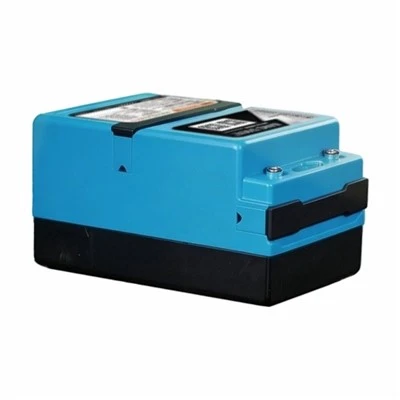
Hey there! As a supplier of stackable battery storage systems, I often get asked about the weight of these systems. It's a valid question, especially when you're thinking about installation, transportation, and overall system design. So, let's dive into what the weight of stackable battery storage systems really means and why it matters.
Why Weight Matters
First off, why should you even care about the weight of a stackable battery storage system? Well, it impacts a few key areas.
Installation
When it comes to installing a stackable battery storage system, the weight plays a huge role. You need to make sure that the location where you plan to install the batteries can support their weight. If you're installing them in a building, the floor or the mounting structure needs to be strong enough. For example, if you're considering a Wall Mounted Energy Storage Battery, the wall has to be able to handle the load. Otherwise, you could end up with a dangerous situation where the batteries fall and get damaged, or even worse, cause harm to people.
Transportation
Transporting stackable battery storage systems can also be a challenge due to their weight. Heavier systems require more robust transportation methods. You might need special trucks or equipment to move them safely. And if you're shipping them overseas, the weight can affect the shipping costs significantly. The heavier the system, the more you'll pay to get it from the manufacturer to your location.
System Design
The weight of the batteries can also influence the overall design of your energy storage system. If you're using a Solar Pv System With Battery Storage, you need to consider how the weight of the batteries will fit into the design of the solar panel setup. You might need to adjust the mounting structure or the layout of the system to accommodate the weight.
Factors Affecting the Weight
Now that we know why weight matters, let's look at the factors that affect the weight of stackable battery storage systems.
Battery Chemistry
Different battery chemistries have different weights. For example, lead - acid batteries are generally heavier than lithium - ion batteries. Lead - acid batteries have been around for a long time and are known for their reliability, but they are also quite heavy. On the other hand, lithium - ion batteries are lighter and have a higher energy density, which means they can store more energy in a smaller and lighter package. If you're looking for a lighter option, lithium - ion batteries might be a better choice for your Residential Energy Storage Battery.
Capacity
The capacity of the battery storage system is another major factor. A higher - capacity system will generally weigh more because it has more cells and more energy - storage material. If you need a large amount of energy storage for your Commercial and Industrial Energy Storage Battery, you'll likely end up with a heavier system. But keep in mind that a higher - capacity system can also provide more power for a longer time, so it's a trade - off between weight and performance.
Stacking Configuration
The way the batteries are stacked also affects the weight. Some stackable battery storage systems are designed to be stacked in a way that maximizes space and efficiency. However, the more batteries you stack, the heavier the overall system will be. For example, an Integrated Battery and Inverter System might have a specific stacking configuration that impacts its weight. You need to consider how many batteries you can stack safely based on the weight limits of the installation location.
Typical Weights of Stackable Battery Storage Systems
It's hard to give an exact weight for stackable battery storage systems because it varies so much depending on the factors we just discussed. But here are some general ranges.
For a small - scale residential stackable battery storage system with a capacity of around 5 - 10 kWh, the weight could be anywhere from 100 to 300 pounds. These systems are usually designed for home use and are relatively easy to install.
On the other hand, a large - scale commercial or industrial stackable battery storage system with a capacity of 50 kWh or more can weigh several thousand pounds. These systems are used in big buildings, factories, or for grid - scale energy storage. They require more complex installation and transportation methods due to their weight.


Handling the Weight
So, how do you deal with the weight of stackable battery storage systems?
Professional Installation
When it comes to installation, it's always a good idea to hire a professional. They have the knowledge and experience to assess the weight - bearing capacity of the installation location and ensure that the batteries are installed safely. They can also handle the heavy lifting and make sure that the system is properly connected and functioning.
Proper Equipment
For transportation, you need to use the right equipment. This might include forklifts, pallet jacks, or specialized trucks. Make sure that the equipment you use is rated to handle the weight of the battery storage system.
Design Considerations
When designing your energy storage system, take the weight into account from the start. Work with an engineer or a designer who can help you create a system that is both efficient and safe, considering the weight of the batteries.
Conclusion
The weight of stackable battery storage systems is an important factor to consider when planning your energy storage project. It affects installation, transportation, and system design. By understanding the factors that influence the weight, such as battery chemistry, capacity, and stacking configuration, you can make an informed decision about which system is right for you.
If you're interested in learning more about our stackable battery storage systems or are ready to start a project, don't hesitate to reach out. We're here to help you find the best solution for your energy storage needs.
References
- Battery Technology Handbook
- Energy Storage System Design Guides