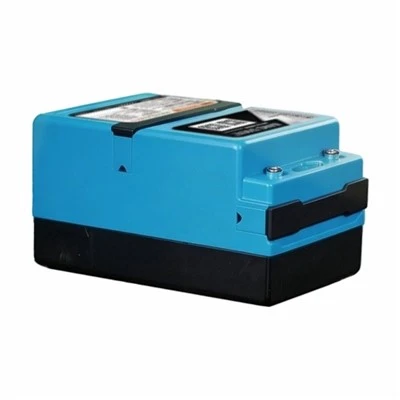
Hey there! As a supplier of Phase - split Energy Storage Systems, I often get asked about the maintenance cost of these systems. So, I thought I'd break it down for you in this blog post.
First off, let's understand what a Phase - split Energy Storage System is. It's a cool setup that can store electrical energy and distribute it across different phases. This is super handy for homes and small businesses, as it helps balance the load and use electricity more efficiently. You can learn more about it here.
Now, onto the main topic: maintenance costs. The maintenance cost of a Phase - split Energy Storage System can vary quite a bit depending on several factors.
1. Battery Type
The heart of any energy storage system is the battery. And different types of batteries have different maintenance requirements and costs.
-
Wall Mounted Energy Storage Battery: These are convenient for homes as they can be easily installed on a wall. They usually use lithium - ion technology, which generally has lower maintenance needs compared to some other battery types. But they still require regular checks to ensure the temperature is within the optimal range and that the charging and discharging cycles are working properly. You can find some great options here. The maintenance cost for these batteries mainly involves occasional software updates and checking the battery management system. This could cost you around $50 - $100 per year, depending on the brand and the complexity of the system.
-
Deep Cycle Battery for Solar Storage: These batteries are designed to be deeply discharged and recharged multiple times, which is perfect for solar energy storage. They often use lead - acid or lithium - iron - phosphate technology. Lead - acid deep - cycle batteries need more maintenance. You have to regularly check the water levels in the cells (if they are flooded lead - acid), clean the terminals to prevent corrosion, and make sure the charging is done correctly to avoid sulfation. This can add up to about $150 - $250 per year in maintenance costs. Lithium - iron - phosphate deep - cycle batteries, on the other hand, are more maintenance - free. They might only need software updates and basic system checks once or twice a year, costing around $80 - $120 annually. You can explore these batteries here.


2. System Size
The size of your Phase - split Energy Storage System also plays a big role in the maintenance cost. A larger system with more batteries and components will generally cost more to maintain.
-
A small - scale system for a single - family home might only have one or two batteries and a relatively simple control system. The maintenance cost for such a system could be as low as $100 - $200 per year. This mainly includes checking the battery health, the inverter performance, and the overall system connections.
-
For a medium - sized business or a multi - family building, the system could be much more complex, with multiple battery banks and a more sophisticated control system. The maintenance cost for these larger systems can range from $300 - $600 per year. This is because there are more components to check, and any issues could have a bigger impact on the operation.
-
Large - scale industrial Phase - split Energy Storage Systems can be extremely expensive to maintain. They might require specialized technicians, regular software upgrades, and in - depth system diagnostics. The annual maintenance cost for these systems could easily exceed $1,000.
3. Usage Patterns
How you use your energy storage system also affects the maintenance cost.
-
If you use the system frequently, with many charge - discharge cycles, the batteries will wear out faster. This means you might need to replace the batteries sooner, which is a significant cost. For example, if you have a solar - powered home and use the energy storage system during peak evening hours every day, the batteries will experience more stress. You might need to replace the batteries every 5 - 7 years, depending on the battery type. The cost of battery replacement can range from a few hundred dollars for a small home battery to several thousand dollars for a large - scale industrial battery.
-
On the other hand, if you use the system sparingly, the batteries will last longer, and the maintenance cost will be lower. For instance, if you only use the energy storage system during power outages, the batteries might last 10 - 15 years before needing replacement.
4. Environmental Conditions
The environment where the energy storage system is installed can have a big impact on the maintenance cost.
-
Extreme temperatures can be tough on the batteries. In hot climates, the batteries can overheat, which can reduce their lifespan and increase the risk of failure. You might need to install cooling systems to keep the batteries at the right temperature. These cooling systems require regular maintenance and can add to the overall cost. In cold climates, the batteries' performance can be affected, and you might need to install heating systems. The cost of maintaining these temperature - control systems can range from $100 - $300 per year, depending on the size of the system.
-
Humidity and dust can also cause problems. High humidity can lead to corrosion of the electrical components, while dust can clog the ventilation systems. Regular cleaning and inspection of the system are necessary to prevent these issues. This can cost around $50 - $150 per year.
Other Costs
Apart from the battery - related and environmental costs, there are some other factors that contribute to the maintenance cost.
-
Inverter Maintenance: The inverter is an important part of the energy storage system as it converts the DC power from the batteries to AC power for use in your home or business. Inverters need regular checks to ensure they are working efficiently. This might involve testing the output voltage, checking the cooling fans, and updating the firmware. The maintenance cost for an inverter can range from $50 - $200 per year, depending on the size and complexity of the inverter.
-
System Monitoring: Many modern Phase - split Energy Storage Systems come with monitoring software that allows you to keep track of the system's performance. However, this software also needs to be updated regularly to ensure accurate monitoring. Some monitoring systems might require a subscription fee, which can add another $50 - $100 per year to the maintenance cost.
So, as you can see, the maintenance cost of a Phase - split Energy Storage System can vary widely. But generally, you can expect to spend anywhere from a few hundred dollars to over a thousand dollars per year, depending on the factors I've mentioned above.
If you're thinking about getting a Phase - split Energy Storage System for your home or business, it's important to consider these maintenance costs. But don't let them scare you off! The benefits of having an energy storage system, such as energy independence, cost savings on electricity bills, and backup power during outages, often outweigh the maintenance costs in the long run.
We also offer a range of other energy storage solutions, like High Capacity Energy Storage Batteries and Residential Energy Storage Battery. If you're interested in learning more about our products or getting a quote, feel free to contact us for a friendly chat about purchasing and partnership opportunities.
References
- "Battery Energy Storage Systems: Design, Operation, and Maintenance" by XYZ Publishing
- "Energy Storage Technologies and Applications" Journal, Volume XX, Issue YY