


Hey there! I’m a supplier of Phase - split Energy Storage Systems, and I've been in this industry for quite a while. Today, I want to chat with you about the potential risks of using a Phase - split Energy Storage System.
First off, let's understand what a Phase - split Energy Storage System is. It's a system designed to store electrical energy and then distribute it across different phases. This setup helps in balancing the load and improving the overall efficiency of the power supply. But just like any other technology, it comes with its own set of risks.
1. Electrical Safety Risks
One of the most obvious risks is related to electrical safety. Phase - split Energy Storage Systems involve high - voltage components. If there's a fault in the insulation or if proper safety protocols aren't followed during installation and maintenance, it can lead to electrical shocks. These shocks can be not only dangerous to the people working on the system but also to anyone in the vicinity.
For instance, if a technician is working on the system without wearing appropriate personal protective equipment (PPE), they could get electrocuted. And let's not forget about the risk of short - circuits. Electrical failures can cause short - circuits, which might lead to overheating, fires, or even explosions. It's crucial to have proper circuit protection devices in place, like fuses and circuit breakers, to prevent such incidents.
2. Battery - related Risks
The batteries in a Phase - split Energy Storage System are the heart of the operation. However, they also pose several risks. Most of these systems use lithium - ion batteries, which are known for their high energy density. But this high energy density can also be a double - edged sword.
Lithium - ion batteries are prone to a phenomenon called thermal runaway. When the battery overheats, it can trigger a chain reaction that causes the temperature to rise even further. This can lead to a fire or explosion. Factors like overcharging, rapid discharging, or physical damage to the battery can increase the likelihood of thermal runaway.
Another issue with batteries is their degradation over time. As the batteries age, their capacity decreases, and they become less efficient. This means that the energy storage system may not be able to deliver the same amount of power as it did when it was new. And if the battery fails completely, it can disrupt the entire energy storage system.
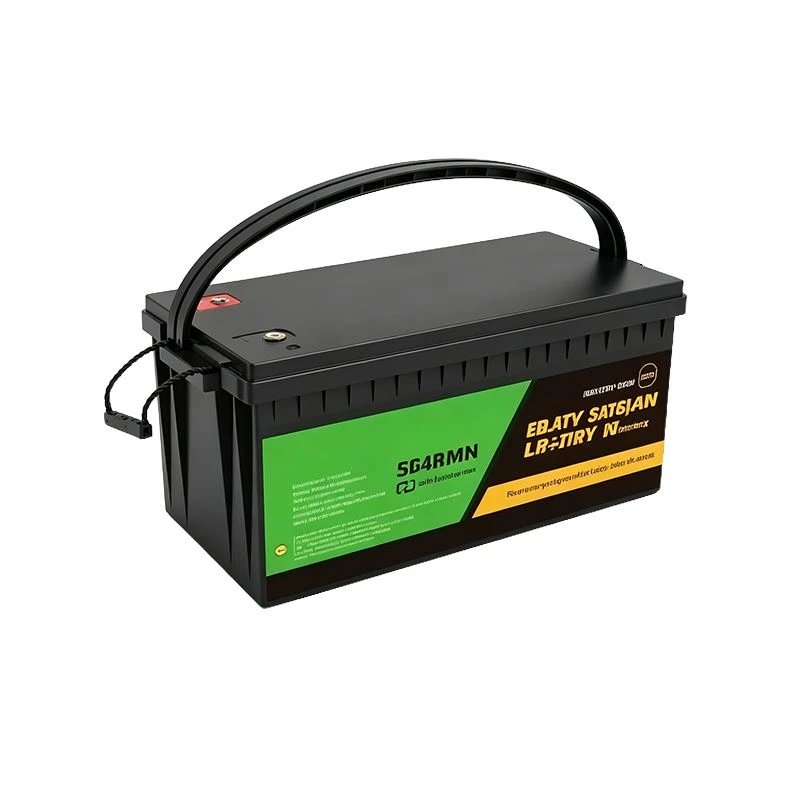
If you're looking for reliable battery options for your Phase - split Energy Storage System, you might want to check out our Ups Battery Backup Power Supply and Stackable Battery Storage System. These products are designed to offer high performance and durability.
3. System Integration Risks
Integrating a Phase - split Energy Storage System into an existing electrical grid or power system can be a complex task. There's a risk of compatibility issues between the energy storage system and the other components of the grid. For example, the control algorithms of the energy storage system may not work well with the control systems of the grid, leading to instability.
Moreover, the power quality of the energy supplied by the storage system can be affected during integration. Voltage fluctuations, frequency variations, and harmonic distortions can occur if the system is not properly integrated. These power quality issues can damage sensitive electrical equipment connected to the grid.
4. Regulatory and Compliance Risks
The energy storage industry is subject to a variety of regulations and standards. These regulations are in place to ensure the safety, reliability, and environmental friendliness of energy storage systems. Failure to comply with these regulations can result in legal penalties, fines, or even shutdown of the system.
For example, there are regulations regarding the disposal of batteries. Improper disposal of lithium - ion batteries can have a negative impact on the environment. You need to follow the proper procedures for recycling or disposing of these batteries to avoid legal issues.
5. Environmental Risks
As mentioned earlier, the improper disposal of batteries can harm the environment. Lithium - ion batteries contain toxic chemicals such as lithium, cobalt, and nickel. If these chemicals leak into the soil or water, they can contaminate the environment and pose a threat to human health and wildlife.
In addition, the manufacturing process of energy storage systems can also have an environmental impact. The extraction of raw materials, such as lithium and cobalt, often involves mining activities that can cause deforestation, soil erosion, and water pollution.
6. Cost - related Risks
Investing in a Phase - split Energy Storage System is a significant financial commitment. There are upfront costs associated with the purchase and installation of the system. And then there are ongoing costs for maintenance, monitoring, and battery replacement.
The cost of energy storage technologies is constantly changing. If you invest in a system today and the cost of similar systems drops significantly in the future, you may end up paying more than you should have. Also, if the system doesn't perform as expected, you may not get a good return on your investment.
If you're interested in high - quality and cost - effective energy storage solutions, we also offer Lead - acid Replacement Lithium Battery, High Capacity Energy Storage Batteries, and Deep Cycle Battery for Solar Storage.
How to Mitigate These Risks
Now that we've talked about the potential risks, let's discuss how to mitigate them. First, make sure to work with a professional and experienced installer. They can ensure that the system is installed correctly, following all the safety standards and regulations.
Regular maintenance is also crucial. This includes checking the batteries, electrical components, and control systems for any signs of wear and tear. By detecting and fixing issues early, you can prevent major problems from occurring.
Investing in high - quality components and batteries can also reduce the risks. Our products are designed to meet the highest standards of quality and safety, so you can have peace of mind knowing that you're getting a reliable system.
Conclusion
In conclusion, while Phase - split Energy Storage Systems offer many benefits, such as load balancing and energy efficiency, they also come with potential risks. These risks range from electrical safety hazards to environmental and cost - related issues. However, by being aware of these risks and taking appropriate measures to mitigate them, you can make the most of your energy storage system.
If you're considering purchasing a Phase - split Energy Storage System or have any questions about the risks and solutions, don't hesitate to reach out. We're here to help you make an informed decision and ensure that you get the best energy storage solution for your needs.

References
- "Energy Storage Handbook" by the Electric Power Research Institute
- Various industry reports on energy storage safety and regulations


